
Waterproofing Solutions



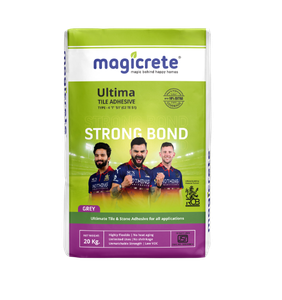

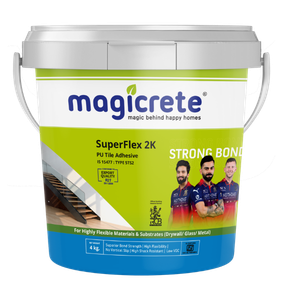

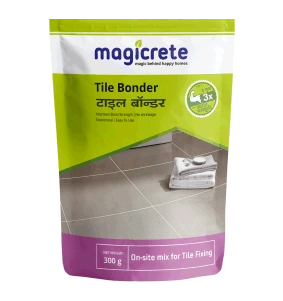


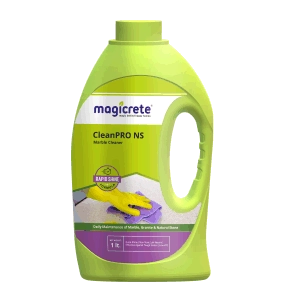




Complete Structural Waterproofing Solutions
Water is the single greatest threat to a building's lifespan. Magicrete provides a complete ecosystem of advanced waterproofing solutions engineered to permanently seal roofs, basements, bathrooms, and exterior walls. By utilizing high-elasticity polymers, acrylics, and cementitious barriers, our systems bridge structural cracks, block hydrostatic pressure, and prevent the severe internal damage caused by water ingress.
The Threat of Structural Seepage
When a building leaks, the damage goes far beyond peeling paint or a damp smell.
Concrete is naturally porous. When rainwater or groundwater seeps through untreated concrete, it reaches the internal steel rebar. The steel rusts, expanding up to six times its original size. This expansion shatters the concrete from the inside out—a catastrophic structural failure known as concrete spalling.
Most traditional waterproofing relies on cheap tar or generic sealers that dry out, turn brittle, and crack under the harsh Indian sun. Magicrete’s waterproofing ecosystem is built on advanced elastomeric technology. Our liquid-applied membranes cure into a seamless, rubberized shield that stretches with the building's thermal expansion, ensuring zero water penetration for decades.
Protecting Every Zone of Your Building
Different areas of a structure face different types of water pressure. Our solutions are engineered specifically for the distinct physics of each zone.
1. Roofs and Terraces (Positive Side Waterproofing)
Flat roofs endure severe thermal shock (blistering heat followed by sudden rain) and pooling water. This causes the concrete slab to expand and crack. Magicrete’s high-build acrylic and PU (Polyurethane) roof coatings bridge these cracks, creating a highly elastic, UV-resistant shield that also reflects solar heat, cooling the rooms below.
2. Bathrooms and Wet Areas (Under-Tile Protection)
A leaking bathroom destroys the ceiling of the room below it. Before laying tiles with our water-resistant tile adhesives, the concrete slab must be sealed. We utilize flexible, two-component cementitious waterproofing that permanently locks out moisture, forming the perfect foundation for a flawless tile installation.
3. Basements and Retaining Walls (Negative Hydrostatic Pressure)
Underground walls face massive pressure from damp soil trying to push water into the building. Magicrete’s crystalline and specialized cementitious slurry coatings penetrate deep into the concrete's capillary tracts, reacting with moisture to grow insoluble crystals that permanently block the pores from the inside out.
4. Masonry Repairs and Additives
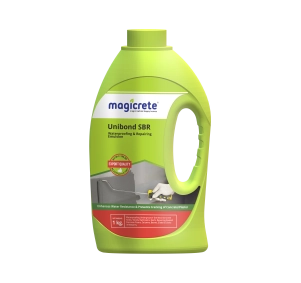
Waterproofing isn't just a surface coating; it starts inside the mortar. Our SBR latex polymers and integral liquid waterproofing compounds are mixed directly into cement during construction. This drastically reduces the water demand of the mix, resulting in dense, highly impermeable concrete and mortar joints.
Frequently Asked Questions
Q.1. At what stage of construction should waterproofing be done?
Ans. Waterproofing must be integrated from the foundation up. Integral waterproofing compounds should be added to the concrete during casting. Surface membranes (for roofs and bathrooms) must be applied after the concrete is fully cured (usually 28 days), but strictly before any plastering, tiling, or finishing work begins.
Q.2. Why do basic roof coatings fail after a few years?
Ans. Basic coatings are often rigid and lack UV stability. When the concrete roof expands in the summer heat, a rigid coating snaps, allowing water to enter the cracks. Magicrete’s elastomeric coatings stretch to accommodate structural movement and resist UV degradation.
Q.3. Do I need waterproofing if I am using epoxy grout in my bathroom?
Ans. Yes. While epoxy tile grout is 100% waterproof and seals the joints, the actual concrete slab underneath the tiles must be waterproofed to prevent capillary action from drawing ground moisture up into the walls (rising dampness).
Q.4. What is the difference between positive and negative side waterproofing?
Ans. Positive side waterproofing is applied to the surface directly exposed to water (like the top of a roof or the inside of a water tank). Negative side waterproofing is applied to the opposite, dry side (like the interior wall of a basement) to stop water that has already entered the structure from pushing through.
Q.5. How long does a liquid-applied waterproofing membrane take to dry?
Ans. Depending on ambient temperature and humidity, a single coat of our acrylic or cementitious liquid membrane becomes touch-dry in 4 to 6 hours. However, a multi-coat system requires at least 7 days of full curing before it can be subjected to water testing or covered with screed/tiles.
Related Blogs
One-Stop Solution for all your Construction Needs
Contact Us